
Our Blog
Stay up-to-date with the latest news and insights..
From Cargo to Construction: The Unstoppable Rise of Shipping Containers
Shipping containers have become indispensable tools in global trade, revolutionising how goods are transported across continents. Their robust design and versatility have extended their usefulness beyond shipping, making them a sought-after resource for various applications. This transformation is not just about moving goods; it’s about changing how we live, build, and think about sustainability.

The Historical Context and Evolution of Containerisation
Containerisation began in the mid-20th century, revolutionising global trade by drastically reducing the time and cost of transporting goods. Malcolm McLean's introduction of standardised shipping containers in the 1950s played a pivotal role in the exponential growth of international trade, enabling goods to be moved seamlessly across different modes of transport—ships, trains, and trucks.
However, the production and transportation of these containers do come with environmental challenges. The energy-intensive processes involved in manufacturing and the emissions from container ships contribute to global pollution. Efforts to mitigate these issues include using eco-friendly materials, the adoption of biofuels, and investment in energy-efficient vessels.
The Foundation of Modern Shipping: Standard Containers
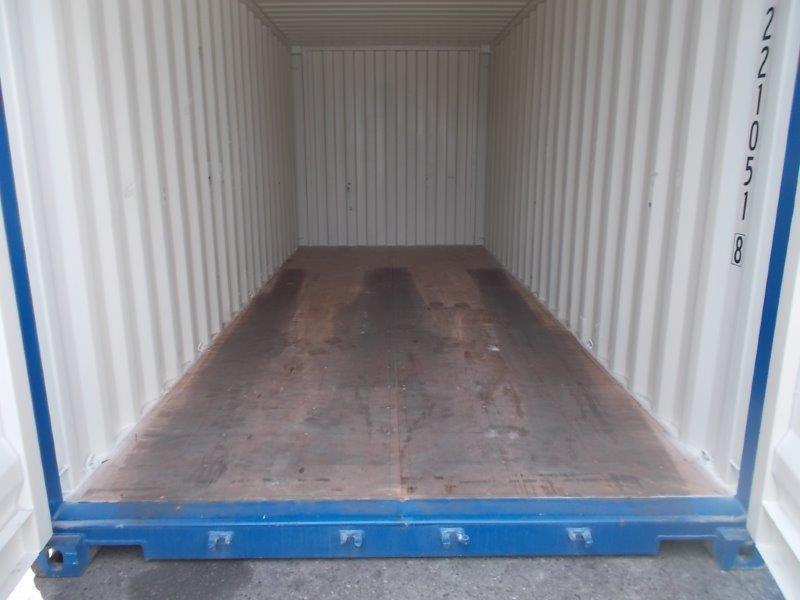
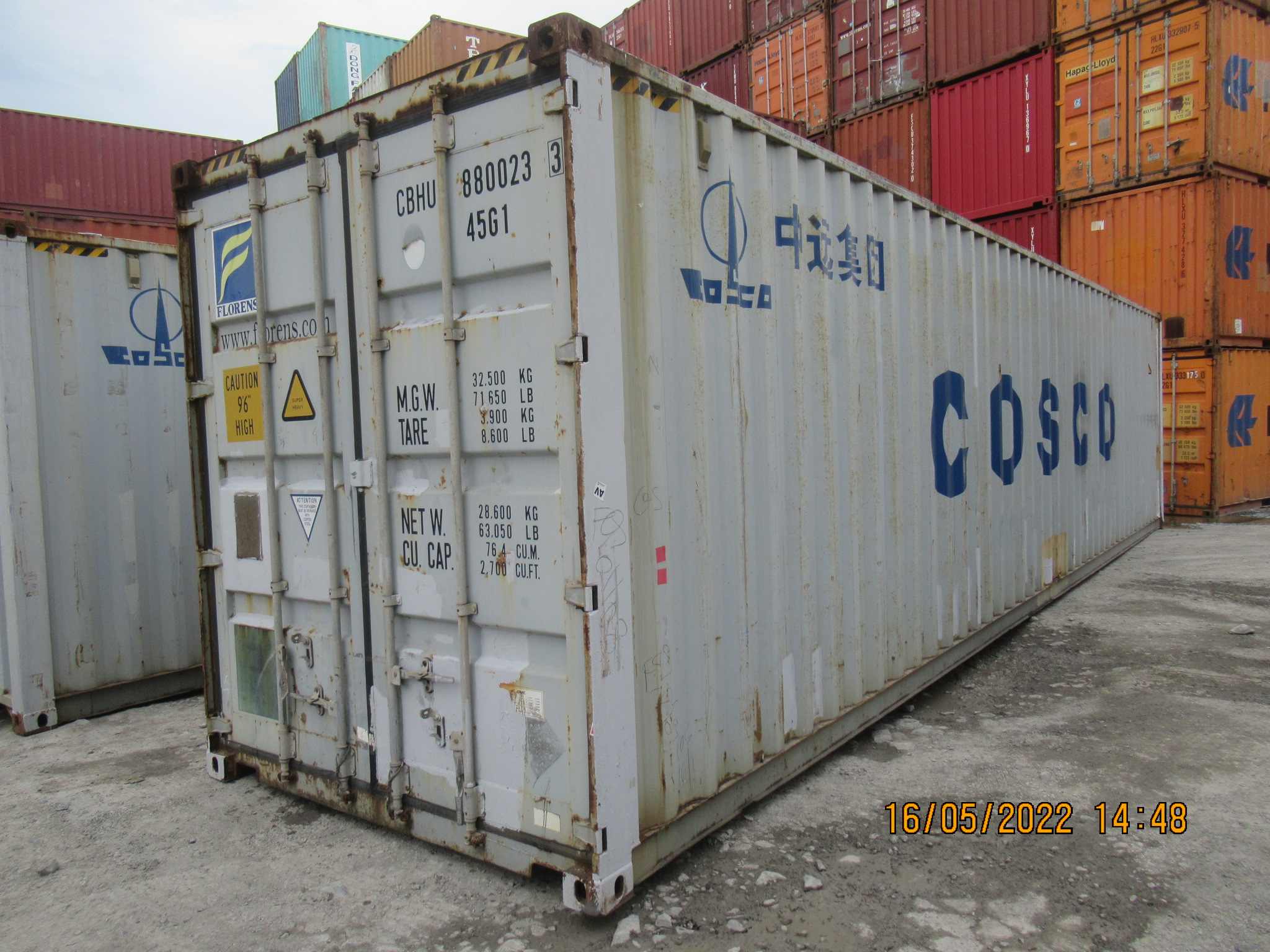
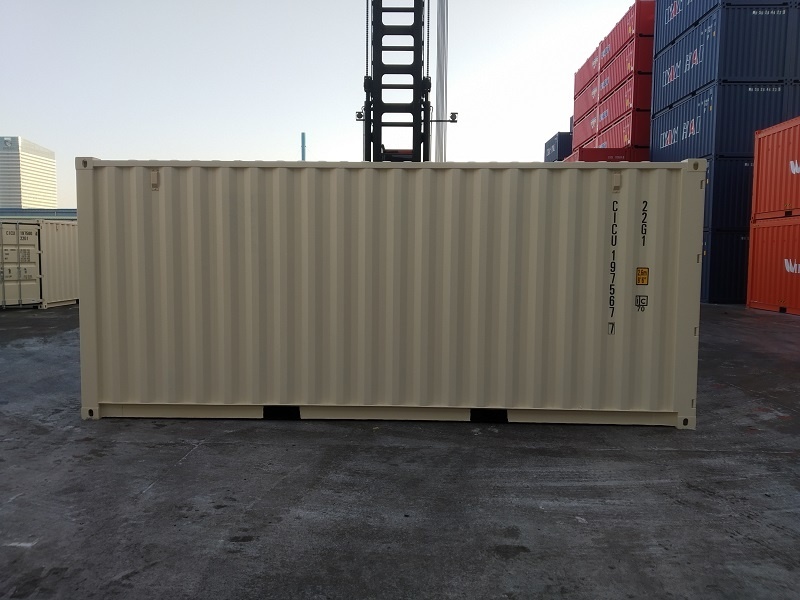
Standard shipping containers are the backbone of the global supply chain. Available in 20-foot and 40-foot lengths, these standardised units adhere to ISO dimensions, ensuring seamless compatibility with various modes of transport. Their construction from high-grade corrugated Corten steel makes them resilient to the harsh conditions of sea travel, including saltwater corrosion and extreme weather.
Diverse Containers for Specific Needs
High Cube Containers
High Cube containers are similar to standard containers but are taller, offering an extra foot of vertical space. This additional height is beneficial for transporting bulky items that require more headroom.
Double Door Containers
Double Door containers have doors at both ends, making them easier to load and unload. This feature is handy in logistics operations where quick access to goods is crucial.
Ventilated Containers
Ventilated containers are designed for cargo that requires airflow, such as coffee beans or certain types of machinery. These containers have openings that allow air to circulate, preventing moisture buildup and preserving the contents' quality.
Refrigerated Containers (Reefers)
Equipped with state-of-the-art refrigeration and insulation, reefers maintain precise temperatures for transporting perishable goods like pharmaceuticals, fresh produce, and frozen foods. Their technology ensures the integrity of temperature-sensitive products during long journeys.
Specialised Containers for Hazardous Materials
Engineered to safely transport hazardous materials like chemicals, explosives, and radioactive substances, these containers feature reinforced construction, specialised ventilation, and stringent safety measures to mitigate risks.
Open-Top and Flat-Rack Containers
These containers cater to oversized cargo that cannot fit in standard containers. Open-top containers have removable roofs for top loading, while flat-rack containers have collapsible sides, allowing for the transport of heavy machinery, vehicles, and large industrial equipment.
Tank Containers
Designed to carry bulk liquids, gases, or powders, tank containers are equipped with pressure relief valves, insulation, and safety features to ensure the safe transport of various materials.
Beyond Shipping: The Multifaceted Advantages
The adaptability of shipping containers extends beyond their primary function in logistics. Their inherent advantages make them ideal for diverse applications:
Robust and Secure Storage
Their weatherproof design and sturdy construction provide a secure environment for storing various goods, from household items to industrial equipment. Their portability allows for easy relocation of storage units as needed.
Modular and Portable Construction
The standardised dimensions of shipping containers make them ideal building blocks for modular structures. They can be easily combined and modified to create anything from temporary housing and pop-up shops to multi-storey buildings and artistic installations.
Cost-Effective and Sustainable Solutions
Repurposing shipping containers can be more cost-effective and sustainable than traditional construction methods. Giving retired containers a new life reduces waste and minimises the demand for new resources.
The Rise of Container Architecture
The versatility of shipping containers has fuelled a global trend in container architecture. With modifications like adding windows, doors, insulation, and utilities, these metal boxes can be transformed into functional and aesthetically pleasing spaces.
Innovative Projects in Container Architecture
Shipping container homes are becoming increasingly popular due to their affordability and sustainability. They can be customised to suit individual preferences and are used for everything from tiny houses to large-scale housing projects. Examples include the "Container City" in London, which provides affordable housing, and the "Adidas Pop-Up Store," which showcases a unique commercial space made entirely from shipping containers.
Regulatory and Zoning Considerations
Building with shipping containers involves navigating various regulatory and zoning considerations, including local building codes, zoning laws, and safety standards. Working with professionals who understand these regulations is crucial to ensure that container projects are compliant and safe.
Commercial Spaces
Cafes, restaurants, pop-up shops, and even office spaces are being built from shipping containers. Their unique look and adaptability attract businesses seeking innovative and cost-effective solutions.
Emergency Shelters
In disaster-stricken areas, shipping containers can be rapidly deployed as temporary shelters, medical clinics, or storage facilities, providing crucial support to needy communities.
Environmental Considerations and Sustainability
The environmental impact of shipping containers is a complex issue. While their production involves resource extraction and manufacturing processes, their long lifespan and reusability offset some of these impacts. Repurposing shipping containers for secondary uses extends their life cycle and contributes to a circular economy.
Efforts to reduce the carbon footprint of container shipping include using biofuels, investing in more efficient vessels, and developing ports and logistics chains that prioritise sustainability. Additionally, shipping containers, such as solar farms and battery storage facilities, are increasingly used in renewable energy projects, further enhancing their green credentials.
Maintenance and Longevity
Proper maintenance is critical to maximising a shipping container's lifespan. Regular inspections for rust, leaks, and structural integrity are essential. Protective coatings and timely repairs can significantly extend their service life, often exceeding 25 years.
Technological Advancements and the Future
The future of shipping containers is intertwined with technological innovation. Smart containers with sensors can monitor temperature, humidity, and location, improving cargo security and efficiency. Blockchain technology can enhance supply chain transparency, ensuring the authenticity and traceability of goods.
The Internet of Things (IoT) and Shipping Containers
The integration of IoT technology allows shipping containers to be connected to a network, providing real-time data on their status and location. This connectivity can reduce theft, optimise logistics, and improve the overall efficiency of cargo transportation.
3D Printing and Customisation
3D printing technology holds promise for the future of shipping containers, enabling rapid prototyping and customisation of container structures. This technology can streamline the modification process, making transforming containers for various uses faster and more cost-effective.
The Global Impact of Containerization
Container shipping has reshaped economies, created jobs, and facilitated international trade. By standardising how goods are transported, containers have enabled countries to engage in global trade more efficiently, boosting economic growth and development worldwide.
The Future of Container Homes
The growing popularity of container homes reflects a shift towards more sustainable and affordable housing solutions. As urban areas face housing shortages, container homes offer a viable alternative that can be quickly deployed and customised to meet diverse housing needs.
Shipping Container Regulations
Shipping containers must comply with safety and structural standards for various applications. These standards ensure that containers are safe for transporting goods, storing items, and being repurposed for construction projects. Understanding these regulations is crucial for anyone using containers for new and innovative purposes.
London Container Hire: Your Partner in Container Solutions
At London Container Hire, we offer a diverse range of new and used shipping containers to meet the needs of businesses and individuals across Greater London. Our selection includes standard, specialised, and refrigerated units, ensuring you find the perfect solution for your specific requirements.
Our Services
We provide a comprehensive range of shipping container solutions, including hiring services for new and used containers. Our offerings cater to diverse needs, from storage and transportation to custom projects, ensuring flexibility and reliability for our clients in Greater London.
Why Choose Us?
Our shipping containers are built to the highest standards, ensuring they are secure, weatherproof, and durable. We offer competitive rates and flexible hire terms, making it easy for you to find the perfect container solution for your needs. Our expert team is always on hand to assist with delivery, placement, and any modifications required to meet your specific requirements.
Please explore our website or get in touch for personalised container solutions. We offer a free consultation or quote to help you discover the endless possibilities of shipping containers. Contact us today to see how we can support your container needs.