
Our Blog
Stay up-to-date with the latest news and insights..
Demystifying the Reefer: How Refrigerated Shipping Containers Preserve the World's Perishable Goods
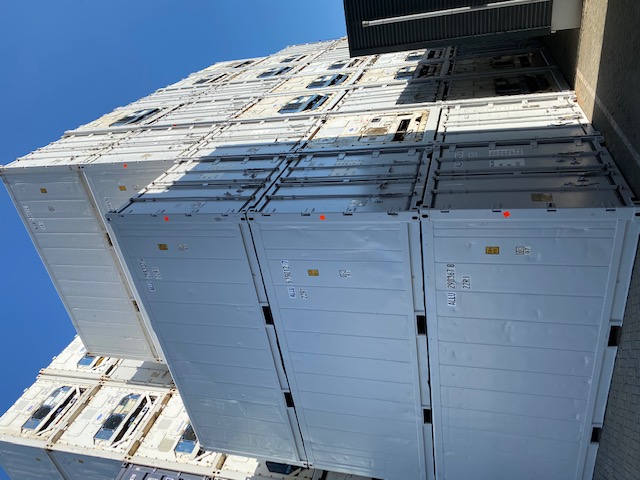
Refrigerated shipping containers, colloquially known as 'reefers,' are the unsung heroes of global food distribution and pharmaceutical transport. These technological marvels traverse vast distances, preserving the integrity of temperature-sensitive goods from farm to table, factory to pharmacy. Let's delve into the intricacies of these mobile refrigerators and uncover the mechanisms that enable them to maintain a delicate thermal equilibrium.
The Anatomy of a Reefer: A Symphony of Cooling Components
At the heart of every reefer lies a sophisticated refrigeration system, a carefully orchestrated ensemble of components working in harmony. Like the heart, the compressor pressurizes the refrigerant, a specialized substance that oscillates between liquid and gaseous states. This pressurized refrigerant then journeys to the evaporator, where it undergoes a phase change, absorbing heat from the container's interior air and transforming it into a gas.
The now-warmed gaseous refrigerant flows to the condenser, releasing the absorbed heat to the external environment, reverting to a liquid state. This cycle repeats, continuously drawing heat away from the container's interior and maintaining the desired temperature.
The Compressor
The compressor is the heart of the refrigeration system. Its primary function is to compress the refrigerant, elevating its pressure and temperature. The refrigerant, now a high-pressure, high-temperature gas, is then directed to the next stage of the cooling process. This process is essential for the efficient operation of the refrigeration cycle, as it enables the refrigerant to release its absorbed heat in the condenser.
The Evaporator
The evaporator is where the cooling magic happens. Located inside the container, the evaporator coils allow the refrigerant to absorb heat from the air. As the refrigerant absorbs this heat, it evaporates and turns into a gas, thus cooling the surrounding air. This process is crucial for maintaining the internal temperature for preserving perishable goods.
The Condenser
After absorbing heat in the evaporator, the refrigerant, now a warm gas, travels to the condenser. The condenser, usually located outside the container, facilitates the release of the absorbed heat into the external environment. This process cools the refrigerant and converts it into a liquid state, ready to be cycled back into the system. The efficiency of the condenser is vital for maintaining the overall performance of the refrigeration system.
The Conductor's Baton: The Thermostat's Role
The refrigeration system's virtuoso conductor is the thermostat, a vigilant sentinel that monitors the internal temperature with unwavering precision. When the temperature deviates from the preset range, the thermostat orchestrates a response, modulating the compressor's activity and other components to restore thermal equilibrium. This continuous monitoring and adjustment ensure that the goods inside the reefer remain at the optimal temperature throughout their journey.
Powering the Performance: Energy Sources
The reefer's symphony of cooling requires a reliable energy source. This can be either a self-contained diesel generator or an electrical connection from the ship or shore. Diesel-powered systems are often used for long-haul transportation, with limited access to a consistent power supply. On the other hand, electric motors are typically utilized when the containers are stationed at ports, warehouses, or during shorter trips where electrical infrastructure is readily available. The choice between these power sources depends on factors such as the length of the journey, the availability of electrical infrastructure, and environmental considerations.
Insulation: The Unsung Guardian of Temperature
While the refrigeration system performs the heavy lifting of cooling, insulation plays a crucial supporting role. Reefers are meticulously insulated with polyurethane foam, which acts as a thermal barrier, minimizing heat exchange with the external environment. This insulation ensures the refrigeration system operates efficiently and maintains a stable internal temperature, regardless of external weather conditions. Adequate insulation is critical to reducing energy consumption and maintaining the integrity of temperature-sensitive goods during transit.
Non-Operational Reefers (NOR): A Sustainable Alternative
In scenarios where refrigeration is not required, non-operational reefers (NOR) step in. By deactivating the refrigeration unit, these containers transform into standard dry cargo containers, utilizing their insulation to maintain a moderate temperature range passively. This practice not only reduces energy consumption but also optimizes the utilization of reefer containers during periods of low demand for refrigerated transport. NORs offer a cost-effective and environmentally friendly solution for transporting goods that do not require active temperature control.
Unraveling the Mysteries: Frequently Asked Questions
What are refrigerated shipping containers, and what are they used for?
Refrigerated shipping containers, also known as reefer containers, are used to transport temperature-sensitive goods such as:
- Food: Fresh fruits, vegetables, meat, dairy products, seafood, and frozen goods.
- Pharmaceuticals: Vaccines, medications, and other temperature-sensitive healthcare products.
- Chemicals: Certain chemicals require controlled temperatures for safe transport.
- Electronics: Sensitive electronic components can be damaged by extreme temperatures.
What temperature range can refrigerated containers maintain?
These containers are engineered to maintain a wide range of temperatures, typically between -20°C and +30°C (-4°F and +86°F). This flexibility allows them to accommodate the specific requirements of various perishable goods, ensuring their safe and practical transport.
What are the critical components of a refrigerated container's refrigeration system?
The refrigeration system comprises three main components:
- Compressor: Pressurizes the refrigerant.
- Evaporator: Absorbs heat from the container's interior.
- Condenser: Releases heat to the external environment.
How does the compressor function in a refrigerated container?
The compressor is the driving force of the refrigeration cycle. It compresses the refrigerant, elevating its temperature and pressure and preparing it for heat release in the condenser. This process is crucial for the efficient operation of the refrigeration system, ensuring that the internal environment of the container remains at the desired temperature.
What role does the evaporator play in a refrigerated container?
The evaporator is where the magic of cooling happens. As the refrigerant passes through the evaporator, it absorbs heat from the container's interior, cooling the air and maintaining the desired temperature. This process is essential for preserving the quality and safety of the goods being transported.
How does the condenser work in the refrigeration system of these containers?
The condenser releases the heat absorbed by the refrigerant. As the high-pressure, high-temperature refrigerant flows through the condenser, it cools down, condenses into a liquid, and releases the absorbed heat to the external environment. This process is vital for the continuous operation of the refrigeration cycle, ensuring that the container remains at the optimal temperature.
What controls the refrigeration system in a reefer container?
A thermostat acts as the refrigeration system's control center. It continuously monitors the internal temperature and activates or deactivates the compressor and other components to maintain the desired temperature setpoint. This precise control ensures that the goods inside the container remain at the ideal temperature throughout their journey.
How is the refrigeration system in these containers powered?
The refrigeration system is typically powered by a diesel generator or an electrical connection from the ship or shore power. The choice of power source depends on factors such as the length of the journey, the availability of electrical infrastructure, and environmental considerations.
Do refrigerated containers have any insulation?
Yes, reefers are heavily insulated to minimize heat transfer between the interior and exterior environments. This insulation plays a crucial role in maintaining the desired temperature and reducing the workload on the refrigeration system. Effective insulation ensures that the goods inside the container are protected from temperature fluctuations, preserving their quality and safety.
What is the purpose of Non-Operational Reefers (NOR)?
Non-operational reefers (NOR) are refrigerated containers with the refrigeration unit deactivated. They leverage their insulation to maintain a moderate temperature range, making them suitable for transporting goods that are not highly temperature-sensitive. NORs offer a cost-effective and environmentally friendly solution for transporting goods that do not require active temperature control.
Applications and Uses of Reefer Containers
Reefer containers are indispensable in various industries because they provide a controlled environment. Their applications extend beyond the obvious transportation of food and pharmaceuticals.
Food Industry
The food industry heavily relies on reefer containers to transport perishable items like fruits, vegetables, meat, seafood, and dairy products. Maintaining the correct temperature is critical to preserving the quality and safety of these goods, preventing spoilage, and extending shelf life.
Pharmaceuticals
Many medicines, vaccines, and other medical supplies require stringent temperature control to remain effective in the pharmaceutical industry. Reefer containers ensure that these critical products reach their destination in optimal condition, safeguarding public health.
Floral Industry
Flowers and plants are susceptible to temperature fluctuations. Reefer containers provide the environment to keep them fresh during transport, ensuring they arrive at their destination in perfect condition for sale or display.
Art and Antiques
High-value art pieces and antiques often require a stable climate to prevent damage. Reefer containers can transport these items securely, providing a controlled environment that protects against humidity and temperature changes.
Chemicals
Certain chemicals require specific temperature conditions to remain stable and safe. Reefer containers offer a reliable solution for transporting these substances, ensuring they do not degrade or pose a hazard during transit.
Advancements in Reefer Technology
The technology behind reefer containers continues to evolve, incorporating new features and improvements that enhance their functionality and efficiency.
Remote Monitoring and Control
Modern reefer containers are often equipped with advanced monitoring systems that allow for remote tracking and control of the container's temperature and other conditions. These systems use GPS and cellular technology to provide real-time data, enabling operators to adjust as needed and respond quickly to any issues.
Energy Efficiency
Recent advancements in reefer technology have focused on improving energy efficiency. Innovations such as variable speed compressors and advanced insulation materials reduce the energy consumption of these containers, lowering operating costs and minimizing environmental impact.
Solar-Powered Reefers
Some reefer containers are now equipped with solar panels to reduce reliance on fossil fuels. These solar-powered units harness renewable energy to power the refrigeration system, providing a more sustainable option for temperature-controlled transportation.
Enhanced Insulation
Improved insulation materials and designs have significantly enhanced the performance of reefer containers. These advancements help maintain the desired temperature more effectively, reducing the refrigeration system's workload and improving energy efficiency.
Challenges and Solutions
While reefer containers offer numerous benefits, they also present certain challenges that must be addressed to ensure optimal performance.
Maintaining Temperature Consistency
One of the primary challenges is maintaining a consistent temperature, especially during long journeys or when containers are exposed to extreme external conditions. Advanced monitoring systems and high-quality insulation are critical in overcoming this challenge, ensuring the internal environment remains stable throughout transport.
Energy Consumption
The energy consumption of reefer containers can be significant, particularly for diesel-powered units. Innovations in energy-efficient technologies and the adoption of renewable energy sources, such as solar power, are essential in reducing these containers' environmental impact and operational costs.
Handling and Maintenance
Proper handling and maintenance of reefer containers are crucial to their performance and longevity. Regular inspections, timely repairs, and adherence to operational guidelines help prevent malfunctions and ensure that the refrigeration system operates efficiently.
Environmental Impact and Sustainability
The environmental impact of reefer containers is a growing concern, particularly regarding energy consumption and emissions. However, several initiatives and technologies are being developed to address these issues and promote sustainability in the industry.
Reducing Emissions
Using cleaner energy sources, such as electric and solar power, helps reduce the carbon footprint of reefer containers. Additionally, advancements in refrigeration technology that enhance energy efficiency contribute to lower emissions and a more sustainable transportation system.
Recycling and Reuse
The materials used in reefer containers, including steel and insulation, are recyclable. These containers can be repurposed or recycled at the end of their service life, reducing waste and promoting a circular economy. Efforts to design containers with recyclable materials and minimal environmental impact are ongoing, further enhancing the industry's sustainability.
Conclusion
Refrigerated (reefer) containers are vital to the global supply chain, ensuring the safe and efficient transport of temperature-sensitive goods. Their sophisticated refrigeration systems, advanced insulation, and robust construction provide a reliable solution for various industries. As technology advances, reefer containers are becoming more efficient, sustainable, and versatile, meeting the evolving needs of businesses and consumers worldwide.
The use of reefer containers extends beyond the transportation of food and pharmaceuticals to include various applications such as the floral industry, art and antiques, chemicals, and more. Maintaining a controlled environment during transit ensures that products arrive in optimal condition, preserving their quality and safety.
Despite the challenges associated with energy consumption and temperature maintenance, ongoing advancements in technology and sustainability initiatives are driving improvements in reefer containers' performance and environmental impact. As the industry continues to innovate, reefer containers will play an increasingly important role in supporting global trade and ensuring the integrity of temperature-sensitive goods.